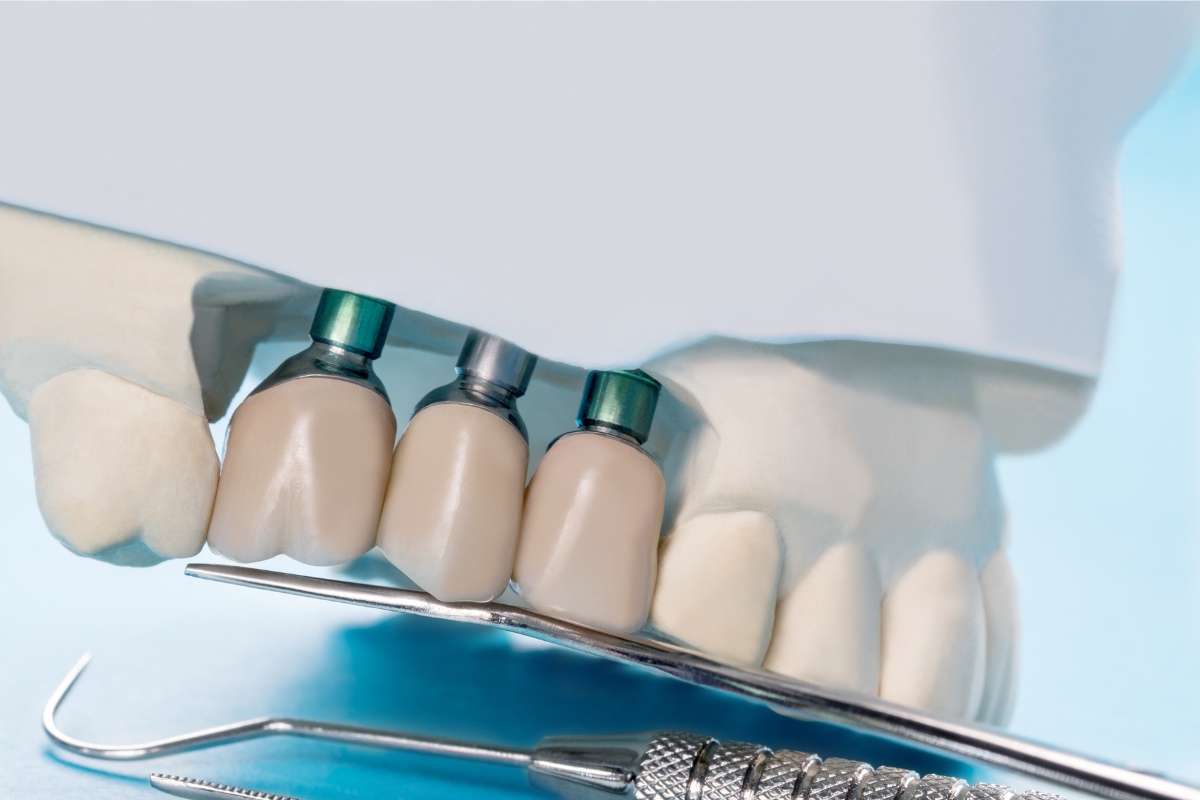
Top 6 Reasons to Choose a Specialist Prosthodontist for Your Dental Implants
Dental implants represent a significant investment in your oral health and quality of life. When you’re committing time, money, and trust to a treatment that should last decades, the qualifications of the person placing your implants matter enormously.

Dental implants represent a significant investment in your oral health and quality of life. When you’re committing time, money, and trust to a treatment that should last decades, the qualifications of the person placing your implants matter enormously.
Many dental practitioners place implants successfully. But there’s a substantial difference between a dentist who’s taken a weekend course in implant placement and a Registered Specialist in Prosthodontics who’s completed years of additional training specifically in complex restorative procedures.
Dr Michael Boulis at Bella Dental in Bromley is a Registered Specialist in Prosthodontics—a qualification that required four years of full-time specialist training at the Eastman Dental Institute following his initial dental degree and years of general practice experience. This level of training shapes how he approaches every implant case, from the simplest single tooth replacement to complex full-arch rehabilitations.
Here are six specific advantages you gain when choosing a specialist prosthodontist for your dental implants.
1. Years of Additional Training Beyond Dental School
What Specialist Training Actually Involves
Every dentist completes a five-year degree to qualify. That’s the baseline. But specialist training in prosthodontics requires an additional three to four years of full-time study and supervised clinical practice.
Dr Boulis completed his specialist training at the Eastman Dental Institute in London, one of the world’s leading centres for dental postgraduate education. This wasn’t a part-time course fitted around regular practice—it was four years dedicated entirely to advanced prosthodontics.
Before that, he’d already completed a postgraduate master’s programme in Fixed and Removable Prosthodontics at King’s College London, where he graduated with distinction. Add his Diploma of Membership of the Joint Dental Faculties and his years as a Foundation Trainer for newly qualified dentists, and you’re looking at someone who’s dedicated a significant portion of his career to reaching the highest standards in his field.
Why This Matters for Your Implants
Implant placement isn’t just about drilling a hole and inserting titanium. It requires understanding bone biology, biomechanics, occlusion (how teeth bite together), aesthetics, and long-term tissue behaviour. Specialist training covers all these aspects in depth, not just in theory but through hundreds of supervised cases under expert guidance.
When Dr Boulis assesses your case, he’s drawing on knowledge and experience that simply isn’t available through shorter training courses. He spots potential complications before they occur. He plans for long-term success, not just immediate implant placement.
2. Expertise in Complex and Challenging Cases
Handling What Others Can’t
General dentists typically refer their most difficult cases to specialists. Patients with significant bone loss. Failed previous implants. Multiple missing teeth requiring full-arch rehabilitation. Complex aesthetic situations in the smile zone where perfect tissue management matters.
Dr Boulis handles these challenging cases regularly. His work across multiple practices in London means he sees a high volume of complex referrals—patients whose local dentist recognised they needed specialist expertise.
This experience with difficult cases means even straightforward implants benefit from the same meticulous approach. The planning protocols, surgical techniques, and restorative strategies he uses for complex cases apply to simpler ones too, ensuring optimal outcomes regardless of case difficulty.
When Specialist Care Becomes Essential
Some situations particularly benefit from specialist prosthodontist care:
- Multiple missing teeth requiring coordinated implant placement
- Previous implant failures that need investigation and correction
- Significant bone loss requiring grafting and careful implant positioning
- Aesthetic zone implants where gum tissue management is critical
- Full-arch rehabilitations like All-on-4 or implant-retained dentures
- Complex bite issues that affect implant placement decisions
3. Comprehensive Treatment Planning That Considers Everything
Beyond Just Placing Implants
Prosthodontics is fundamentally about restoring function and aesthetics. While implant surgery is one aspect, specialist training emphasises the bigger picture—how the final restoration will look, function, and integrate with your existing teeth.
Dr Boulis plans your implant treatment with the end result in mind. Before placing an implant, he knows exactly what restoration will go on it, how it will interact with your bite, and how it will look when you smile. This “backwards planning” from the desired outcome ensures implants are positioned perfectly for both function and aesthetics.
This comprehensive approach prevents common problems. Implants placed without considering the final restoration might be positioned poorly for the crown or bridge that eventually goes on them. The result? Restorations that don’t look quite right or function optimally. Specialist training ensures these issues don’t arise.
Integration with Overall Oral Health
Dr Boulis doesn’t just look at the missing tooth. He evaluates your complete oral health—gum condition, remaining teeth, bite patterns, bone quality, and how everything works together. Sometimes other treatments need addressing before implant placement makes sense.
This holistic evaluation comes from years of managing complete mouth rehabilitations. It’s not about generating more treatment—it’s about ensuring implant success by addressing factors that could compromise outcomes.
4. Access to Advanced Techniques and Latest Developments
Staying Current in a Rapidly Evolving Field
Implant dentistry advances constantly. New implant designs, surgical techniques, biomaterials, and digital technologies emerge regularly. Specialists maintain expertise through ongoing education, research involvement, and participation in professional networks.
Dr Boulis’s background as a clinical teacher at King’s College London demonstrates his commitment to staying current. Teaching requires deep understanding of not just how to perform procedures, but why certain approaches work better than others. This analytical mindset ensures he evaluates new techniques critically rather than jumping on every trend.
His involvement in professional education also means access to the latest research and techniques before they become mainstream. Patients benefit from proven innovations without being guinea pigs for untested approaches.
5. Better Long-Term Outcomes and Success Rates
The Numbers Tell the Story
Dental implant success rates exceed 95% overall, but significant variation exists depending on case complexity and practitioner experience. Specialists consistently achieve higher success rates, particularly in challenging cases.
More importantly, specialist-placed implants tend to have fewer long-term complications. Proper planning and precise placement prevent issues like peri-implantitis (infection around implants), bone loss, and aesthetic problems that sometimes develop years after placement.
Dr Boulis’s approach prioritises long-term stability over quick results. This means thorough planning, appropriate healing times, and restorations designed for durability. Your implants should function perfectly in ten years, not just the day they’re placed.
6. Collaborative Care with On-Site Laboratory
The Bella Dental Advantage
At Bella Dental, Dr Boulis works directly with our on-site laboratory technicians throughout the implant process. This collaboration, particularly valuable for complex cases, ensures the surgical plan and the restorative plan align perfectly.
The laboratory team understands exactly what Dr Boulis is trying to achieve with each case. They can fabricate temporary and final restorations that work precisely with the implant positions, creating outcomes that look natural and function optimally.
This level of integration between specialist prosthodontist Bromley and laboratory simply isn’t possible when working with external labs. The ability to discuss cases directly, make adjustments in real-time, and maintain quality control throughout produces superior results.
Questions to Ask When Choosing Your Implant Provider
Not everyone needs specialist-level care for straightforward single implant cases. But for complex situations, or when you want the highest level of expertise regardless of case difficulty, asking these questions helps you make an informed choice:
- What additional training have you completed in implant dentistry beyond your initial dental degree?
- Are you on the GDC Specialist Register for any dental speciality?
- How many implant cases do you complete annually?
- What happens if complications arise during or after treatment?
- Can I see examples of similar cases you’ve treated?
- Do you place the implants and make the restorations, or work with other practitioners?
Experience the Specialist Difference
Choosing who places your dental implants affects not just the immediate outcome but how your restoration performs for decades to come. Dr Boulis’s specialist training, extensive experience, and problem-solving approach to complex cases ensures you’re receiving genuinely expert care.
His role as a Registered Specialist in Prosthodontics means he’s achieved the highest qualification available in restorative dentistry. The years of additional training, hundreds of complex cases, and commitment to excellence shape how he approaches every patient, from straightforward to highly challenging situations.
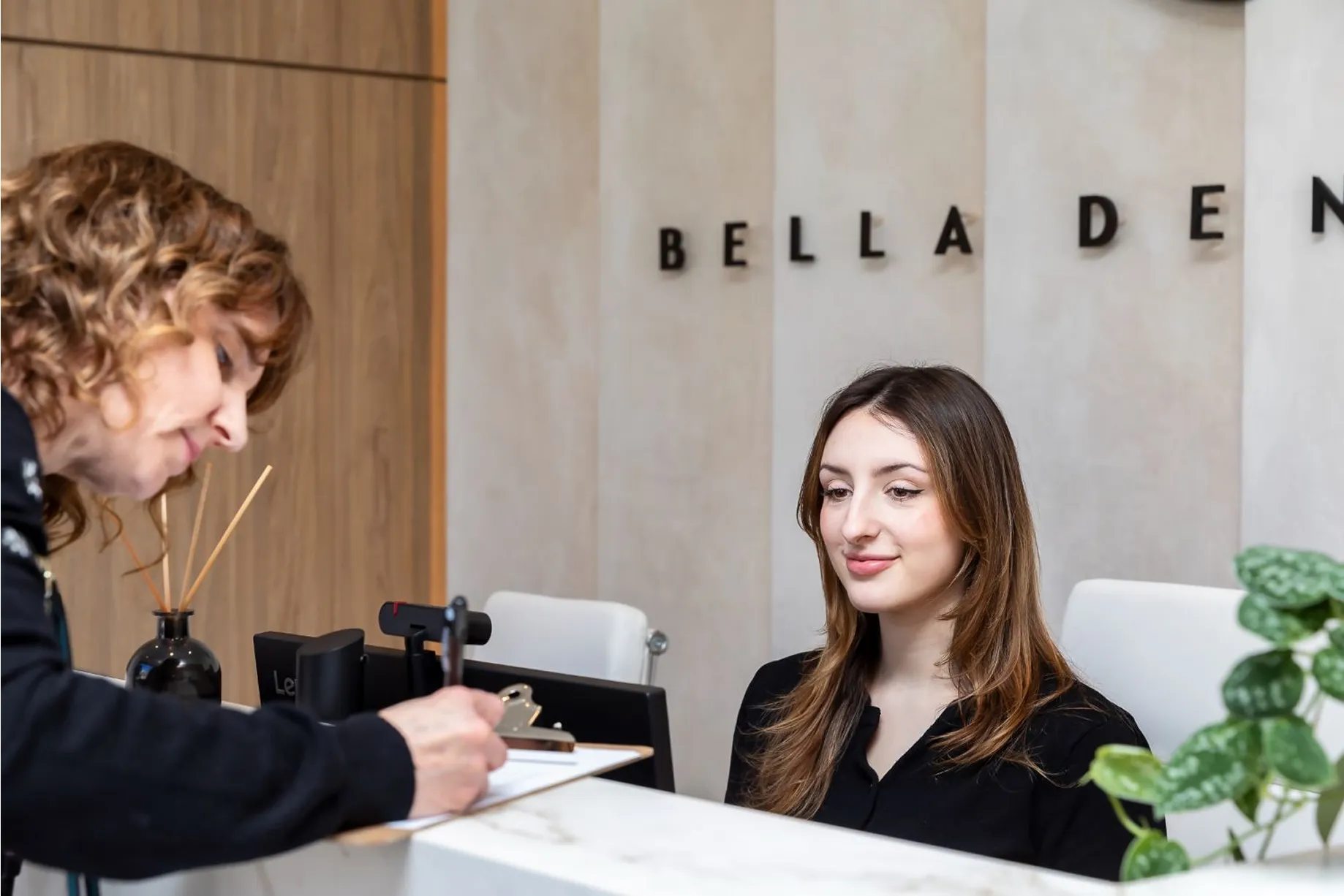
At Bella Dental, this specialist expertise combines with caring support from our entire team—including Alice and Donatela, who ensure every visit is comfortable and well-organised—and our on-site laboratory facilities that enable bespoke restorations crafted to the highest standards.
Experience the difference specialist expertise makes—book your implant consultation with Dr Boulis today. Call Bella Dental on 020 8050 5942 or visit us at . When it comes to dental implants, specialist training and experience matter more than you might think.
Our other blogs

Your Complete Smile Makeover Journey: What to Expect at Bella Dental
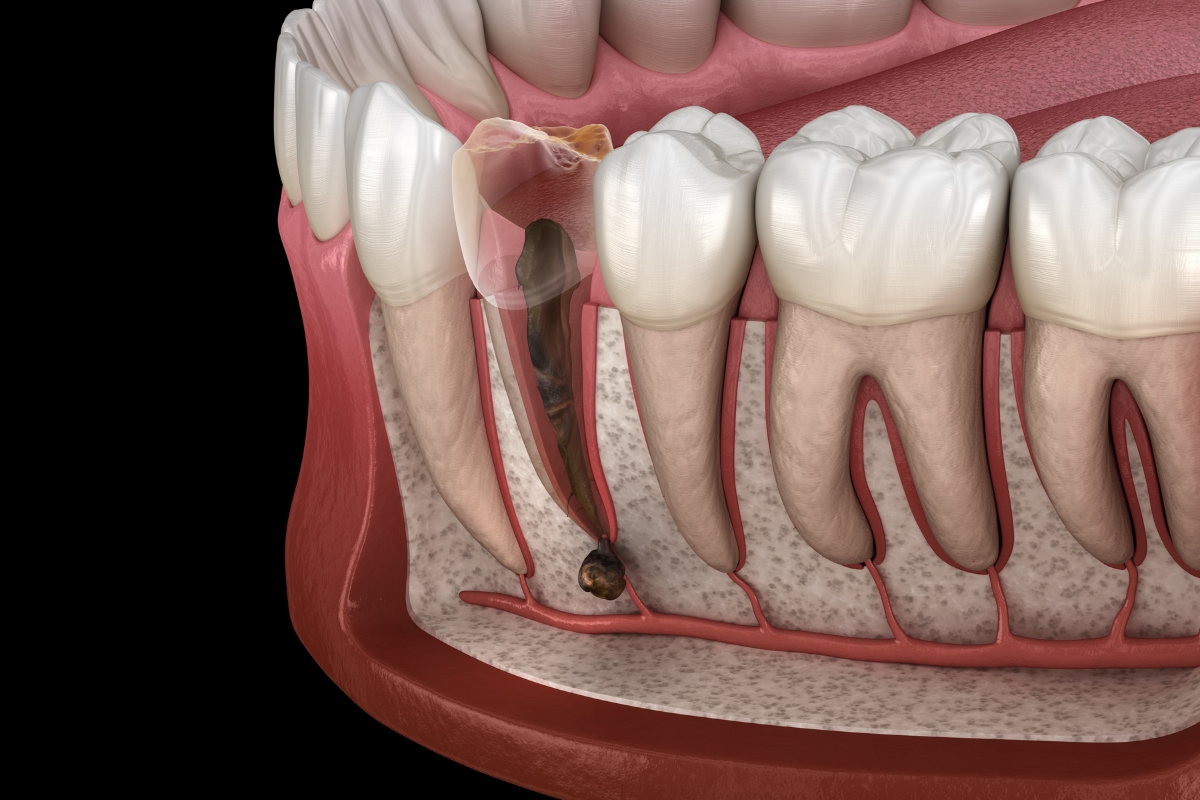
Saving Your Natural Tooth: The Truth About Root Canal Treatment
Implanted Dentures: The Freedom of Implants with the Convenience You Love
Voices of trust.

I recently had a fantastic dental check-up at this clinic, and it was a top-notch experience from start to finish. The modern atmosphere was refreshing, and Dr Michael's clarity and helpfulness made me feel at ease throughout the appointment. 😊 Alice, his assistant, was also incredibly attentive and supportive. Highly recommend!!
I had a hygiene appointment here and the experience was great, staff were lovely and my teeth feel super clean, definitely get the airflow on top it makes a great difference. The practice also looks amazing :)
From the moment you walk into reception you are greeted warmly, with a smile and Professionalism. For someone who is frightened of the dentist I was put at ease and was even able to relax. Implant treatment I cannot recommend highly enough. Michael knows his stuff and talks you through everything. Check up and hygienist experience was also first classI highly recommend.
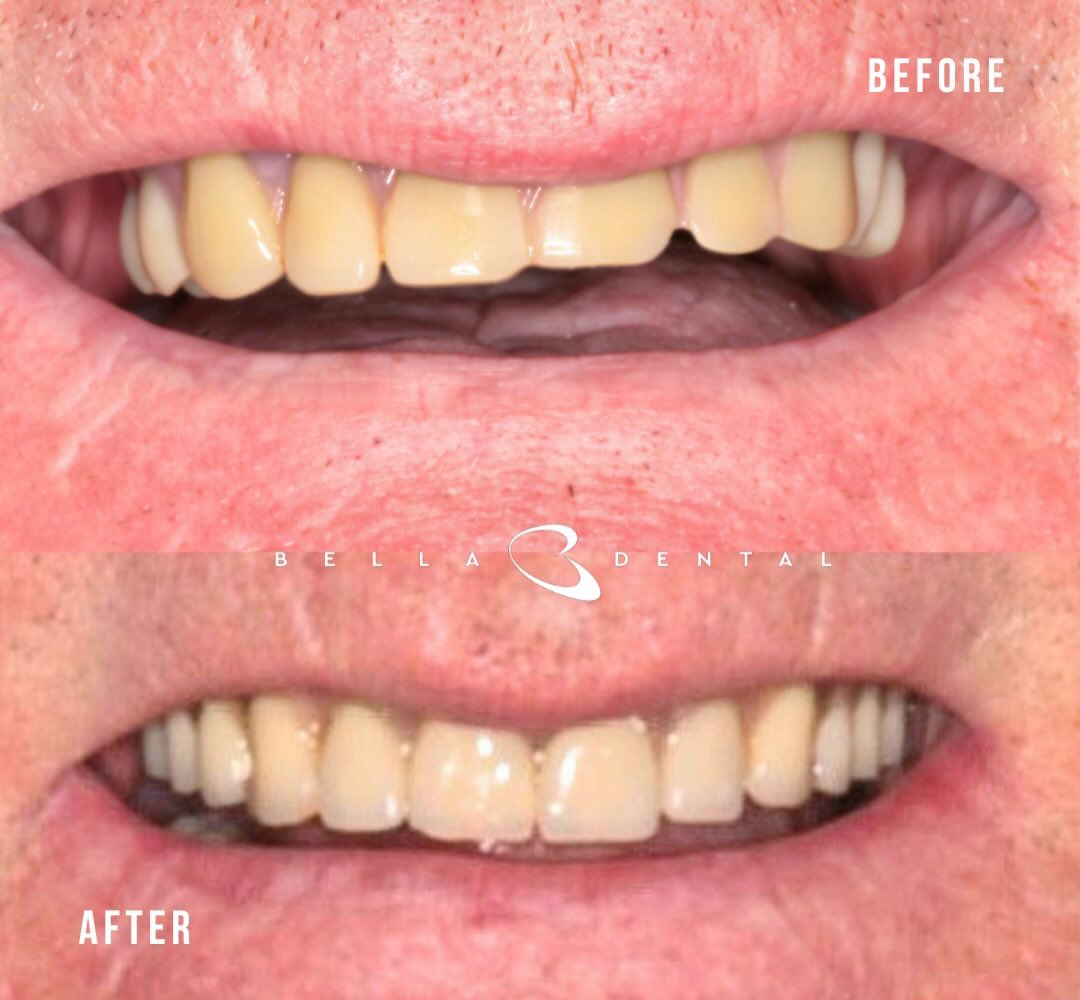
Book a consultation with our Bromley dentists
Get in touch with us to learn about our specialist-led cosmetic, restorative and general services.
.svg%201.png)

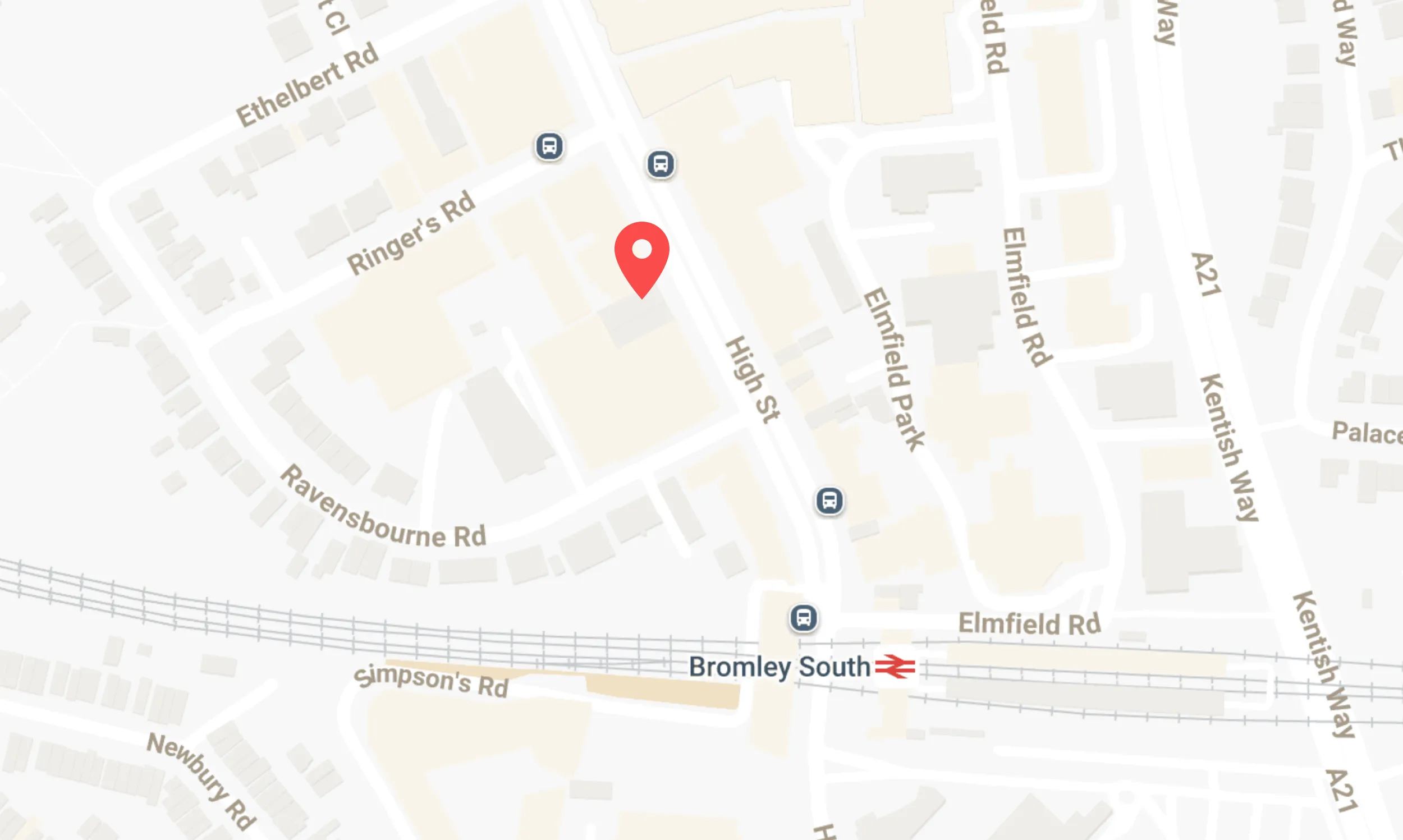
52 High Street,
Bromley.
52 High Street, Bromley
Greater London, BR1 1EG
Mon-Fri 9:00am - 5:30pm
Thursdays: reception only (no dentist)
1 min walk from Bromley South · 3 min from The Glades · metered parking outside